Custom Software Development
Take an idea beyond a prototype. From SaaS products to internal platforms, I build software shaped around the people, processes and decisions it needs to support.
Software development
— Custom web applications, APIs, integrations, automation, maintenance and internal tools - designed around what you actually need.
What I do
A new product to launch. Systems that need to work together. Features waiting to be built. Software that needs a second life. I turn those needs into practical engineering work - independently or as part of your team.
Take an idea beyond a prototype. From SaaS products to internal platforms, I build software shaped around the people, processes and decisions it needs to support.
When tools do not talk to each other, people end up filling the gaps. I connect services, make data flow reliably and automate the repetitive steps slowing work down.
The experience people use and the systems making it work should fit together. I develop interfaces, APIs and business logic - from individual features to full implementations.
Existing software should move forward, not hold you back. I address fragile code, recurring issues and performance bottlenecks while helping applications adapt to new requirements.
Ideas become valuable when they work outside a mockup. That means turning requirements into usable experiences, connecting the systems behind them, checking what matters and delivering software that can keep evolving.
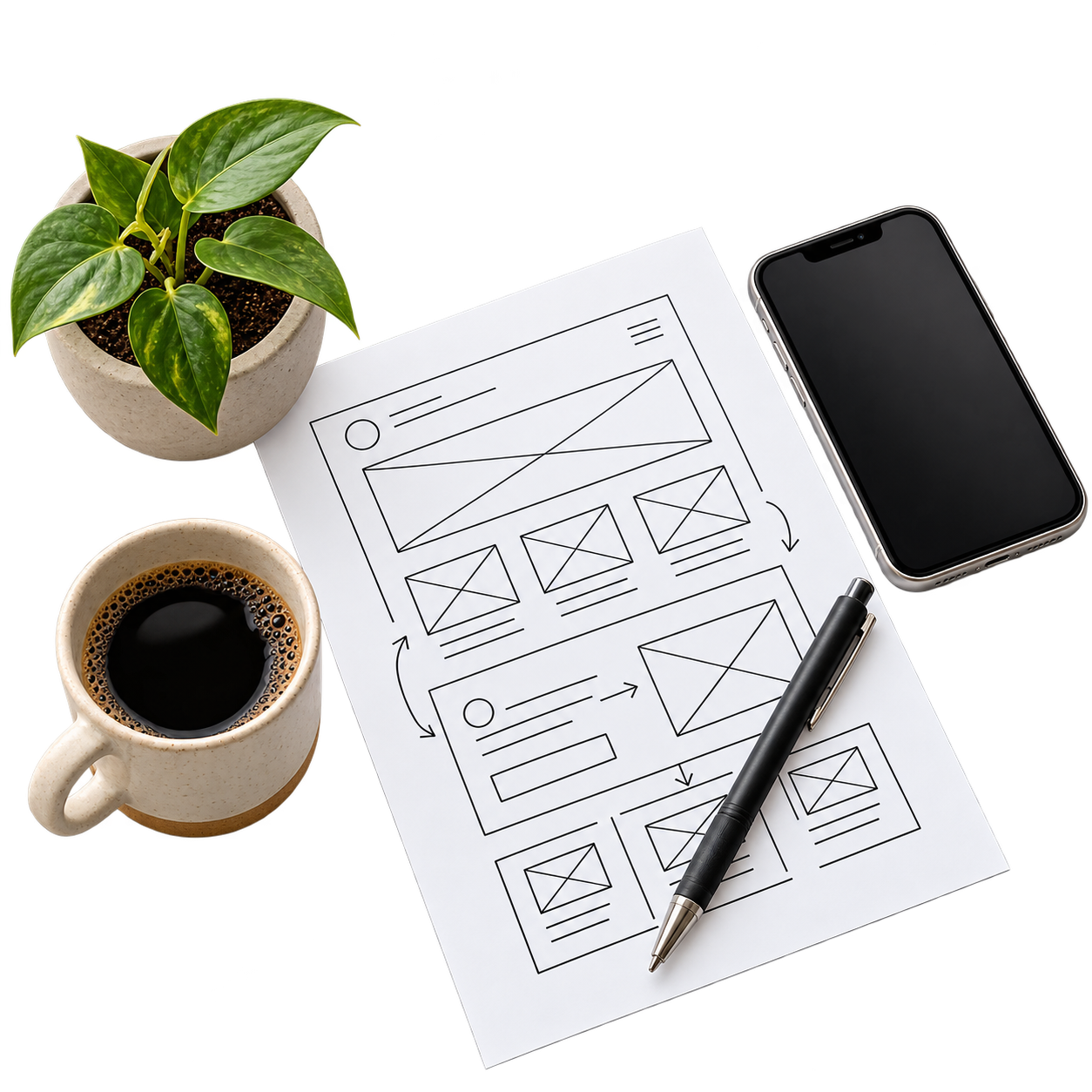
Behind every working application is a series of decisions, implementations and validations. The code is only one part of that process, but it's where the requirements start taking shape and become something that can actually be delivered.
Bring the idea, the problem, the existing software, the manual process or simply what needs to happen. You don't need to have the technical solution figured out first.
Get in touch